Between Research and Activism: Futures of Music and Minority Studies
A research project at MMRC
(C) Lydia Knöbl
(C) Lydia Knöbl
(C) Samo Zeichen
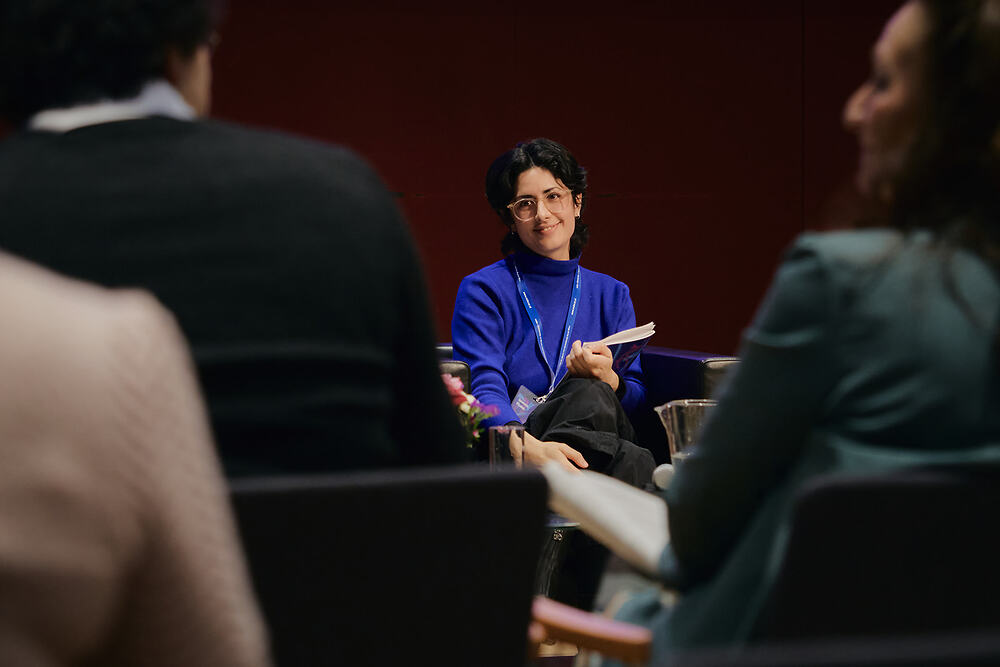
(C) Lydia Knöbl
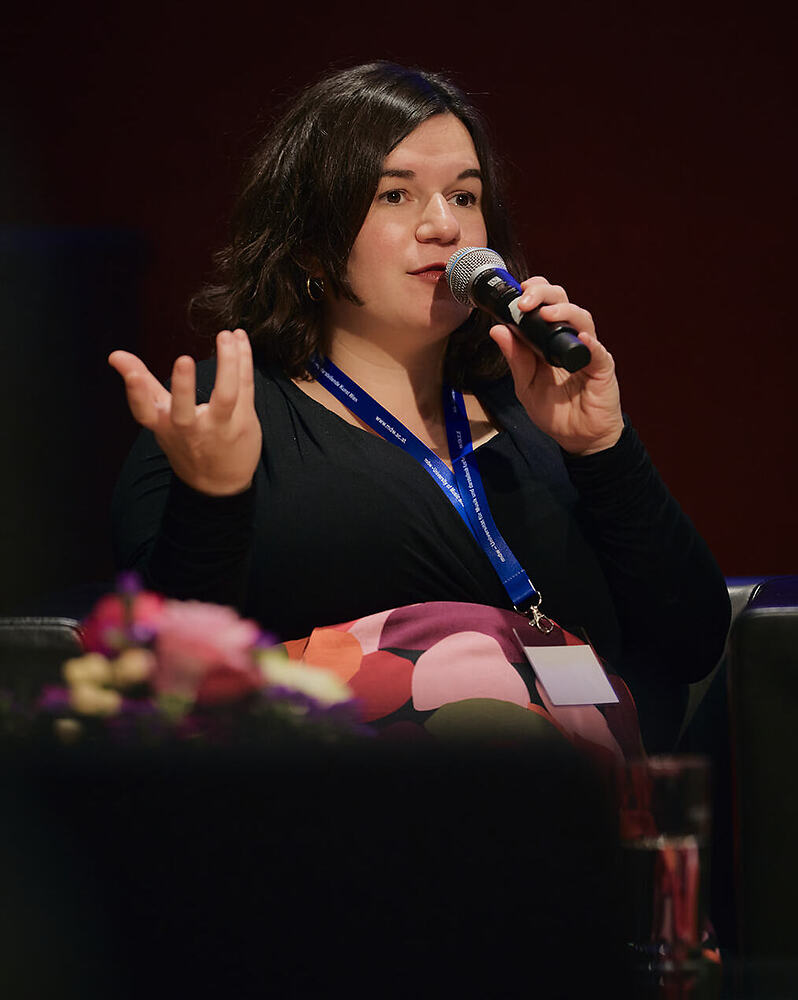
(C) Lydia Knöbl
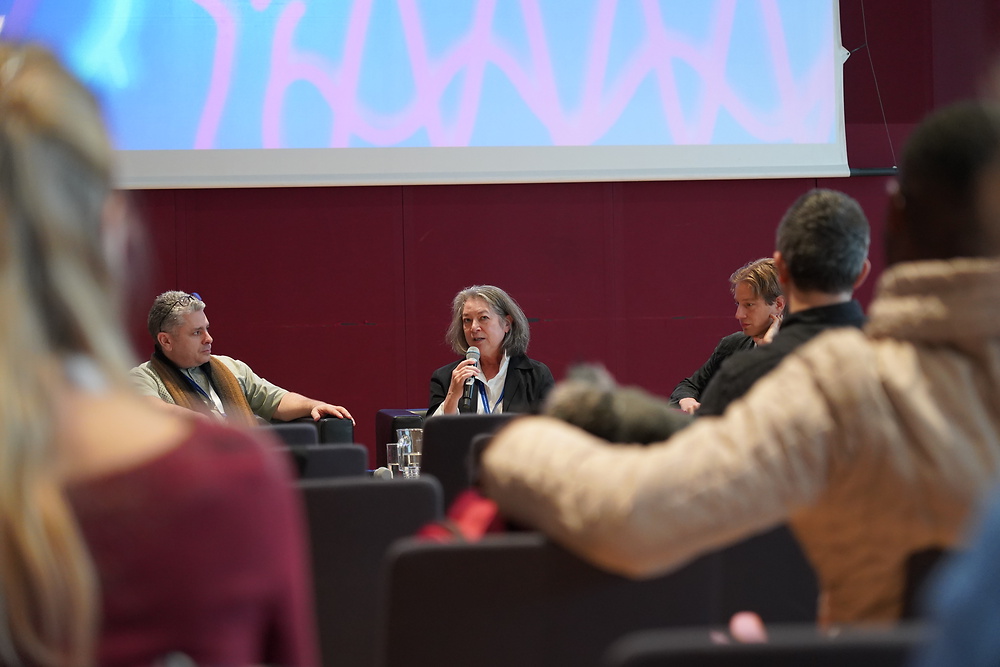
(C) Samo Zeichen
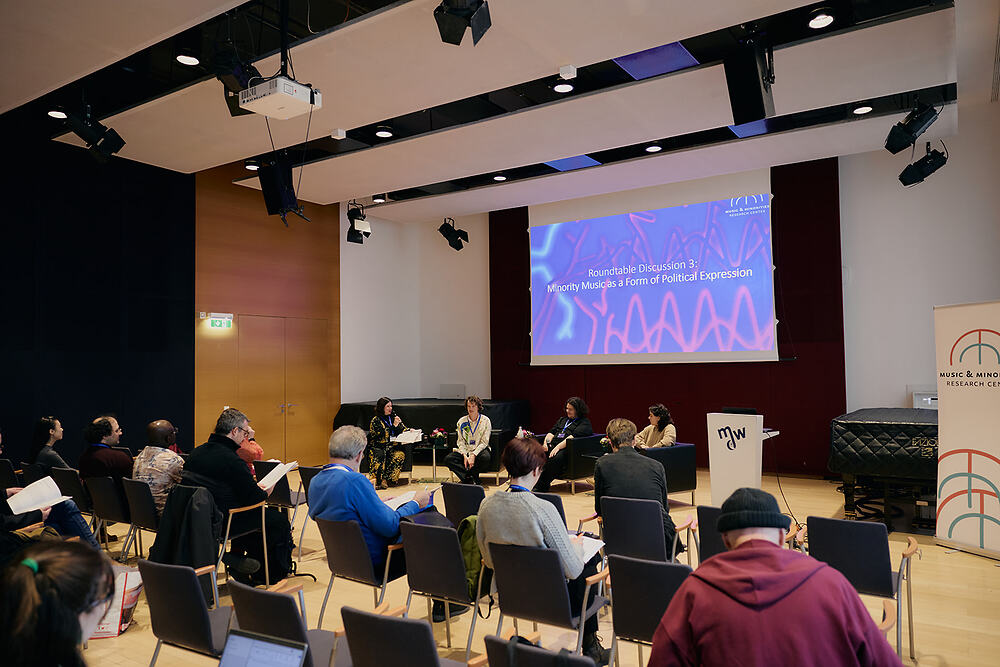
(C) Lydia Knöbl
(C) Lydia Knöbl
(C) Benjamin Fox-Rosen
(C) Benjamin Fox-Rosen
(C) Lydia Knöbl
(C) Lydia Knöbl
(C) Lydia Knöbl
(C) Lydia Knöbl
(C) Lydia Knöbl
(C) Samo Zeichen
(C) Samo Zeichen
(C) Benjamin Fox-Rosen
(C) Lydia Knöbl

(C) Lydia Knöbl
Project report:
The project “Between Research and Activism: Futures of Music and Minority Studies” focused on further developing the thematic strategy and international academic positioning of the Music and Minorities Research Center (MMRC) from 2026 onward. To this end, a multi-day international symposium was organized at the University of Music and Performing Arts Vienna (mdw), the conceptualization and implementation of which constituted the core of this project.
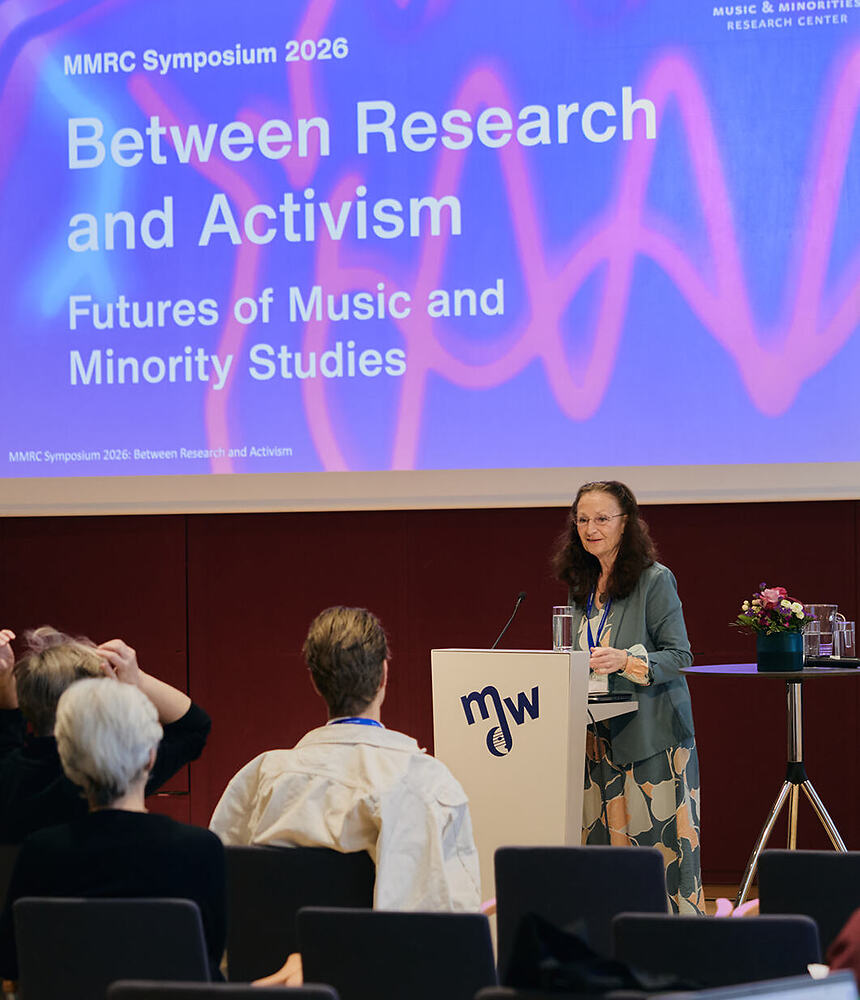
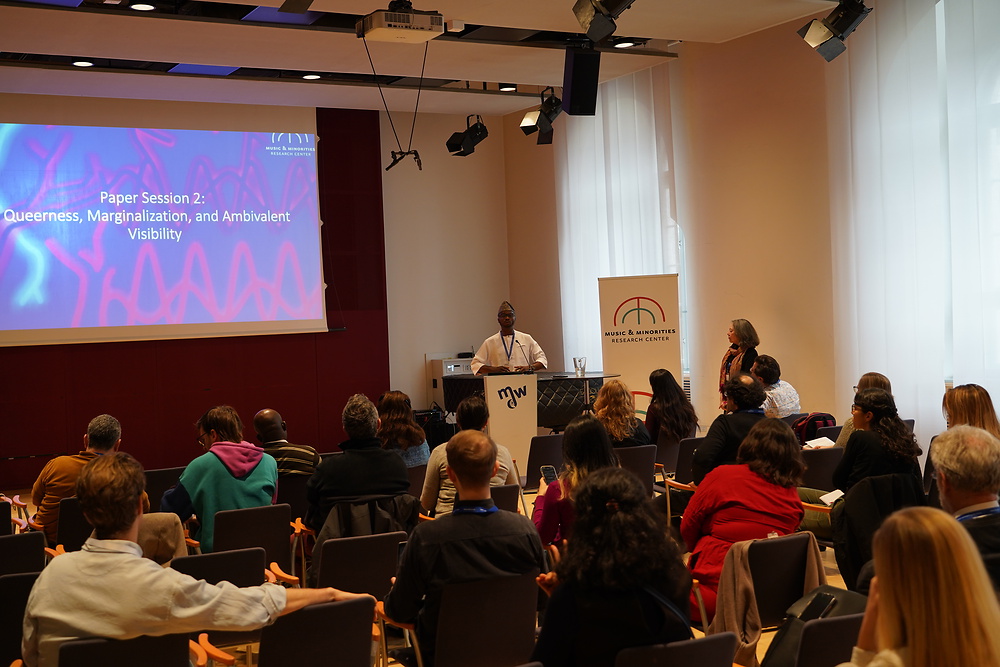
The symposium „Between Research and Activism: Futures of Music and Minority Studies“ took place from 12–14 February 2026 at the mdw. It marked the beginning of a significant new phase in the work of the MMRC, which was founded in 2019 and made possible through the Wittgenstein Award granted to Ursula Hemetek. The symposium coincided with both the Centre’s seventh anniversary and the conclusion of its Wittgenstein funding period. This provided an opportunity to reflect on the development of research on music and minorities both at the MMRC and within the international scholarly community in recent years. In particular, the symposium addressed current challenges and explored future directions of the field and of the research center at the intersection of academia, artistic practice, and social engagement.
Research in the field of Music and Minorities always takes place within a socially and politically charged context, shaped by questions of whose knowledge is produced, with whom, for what purposes, and under what conditions. To navigate these complexities, the MMRC has established foundational guidelines to address these concerns. Building on these considerations, the symposium aimed to further develop these impulses collectively, guided by the central question: How activist can – and how activist should – research be in the current moment, particularly in relation to global inequalities and struggles for justice?
The symposium created a space to engage with these and related questions in diverse ways, with a strong emphasis on participatory and interactive formats that fostered multidirectional exchange. A key feature was the diversification of formats and a rethinking of conventional academic presentation modes to emphasize participation and interaction. Furthermore, the symposium sought to bring international scholarly perspectives in the field of Music and Minority Studies – represented by numerous contributors from the MMRC network – into dialogue with the local academic and activist communities.
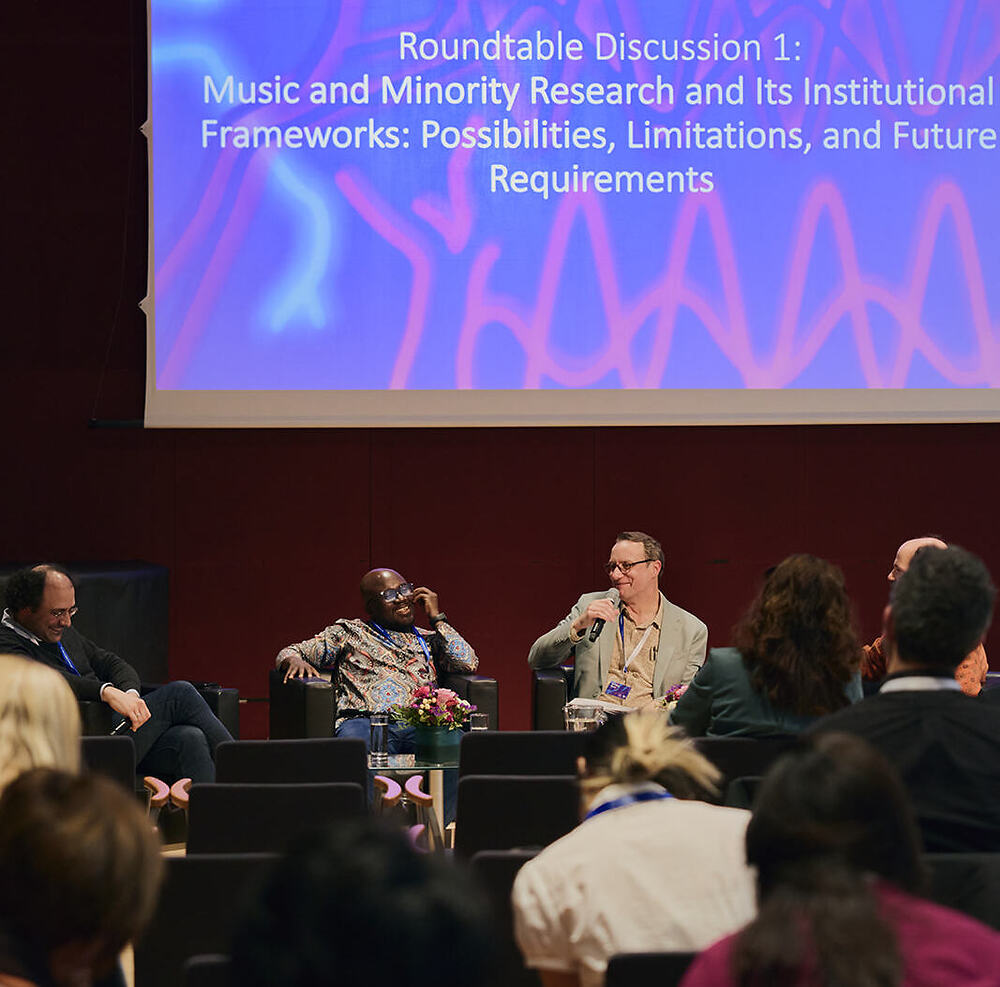
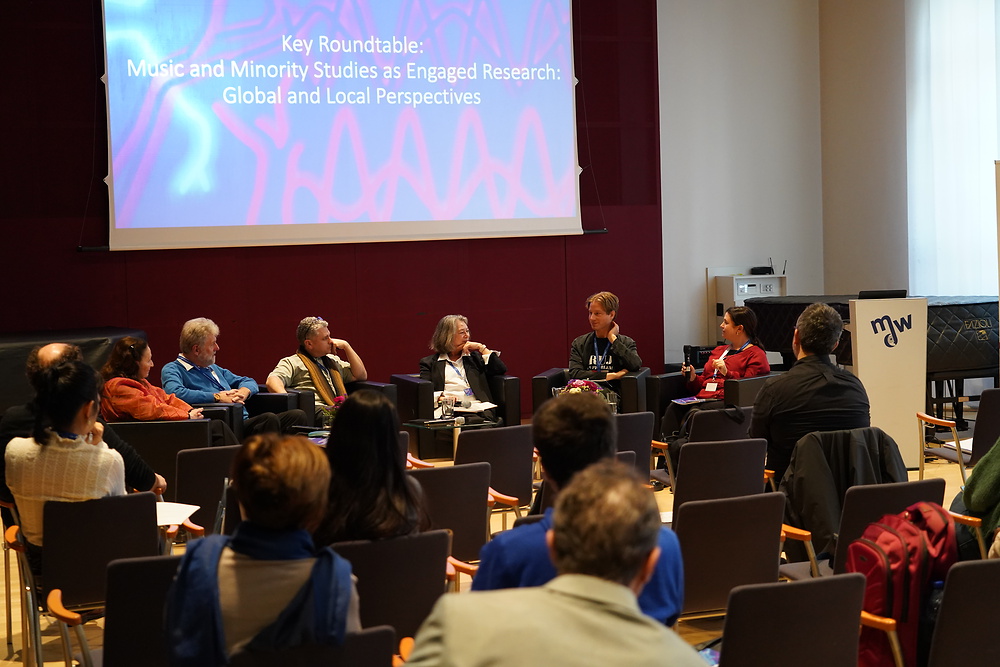
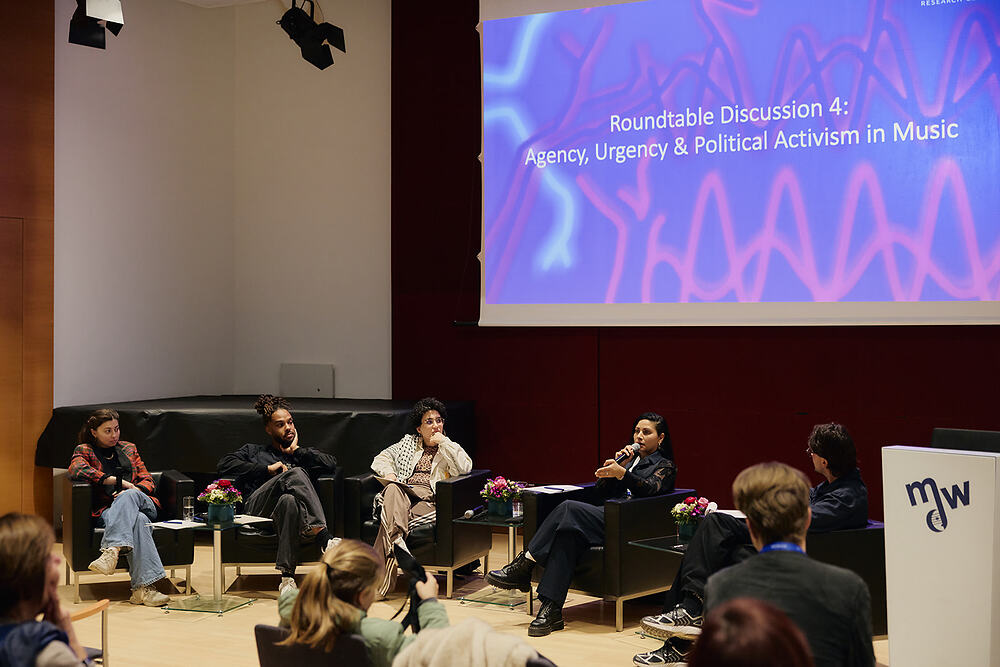
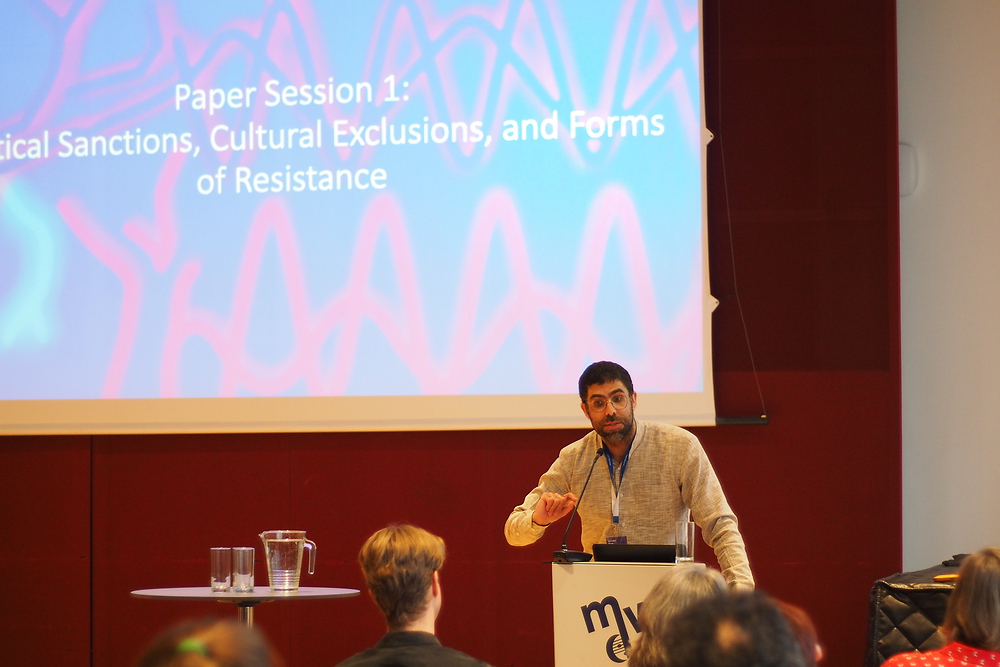
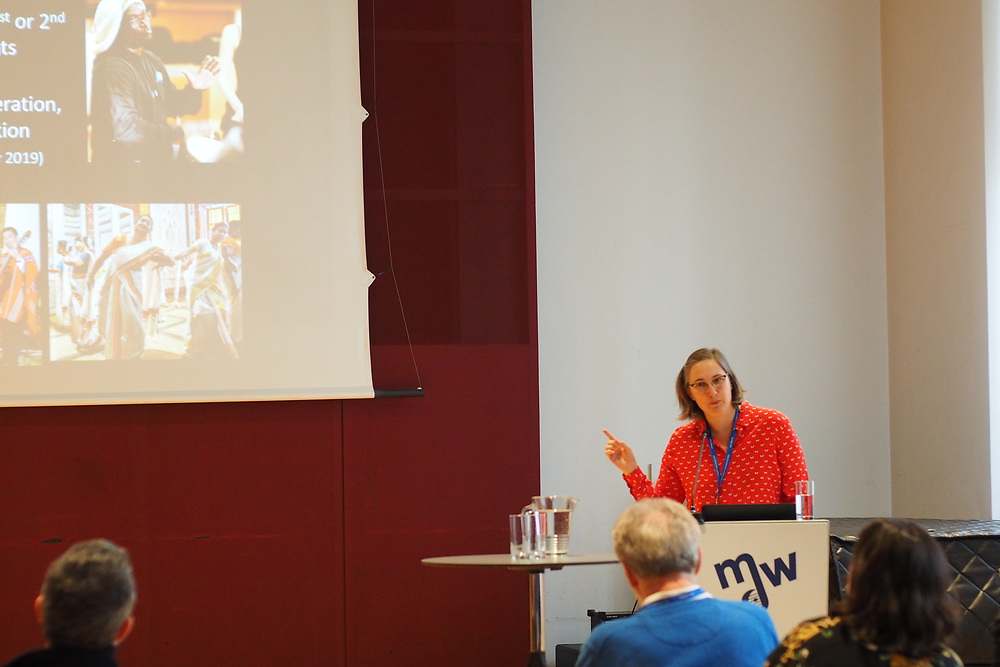
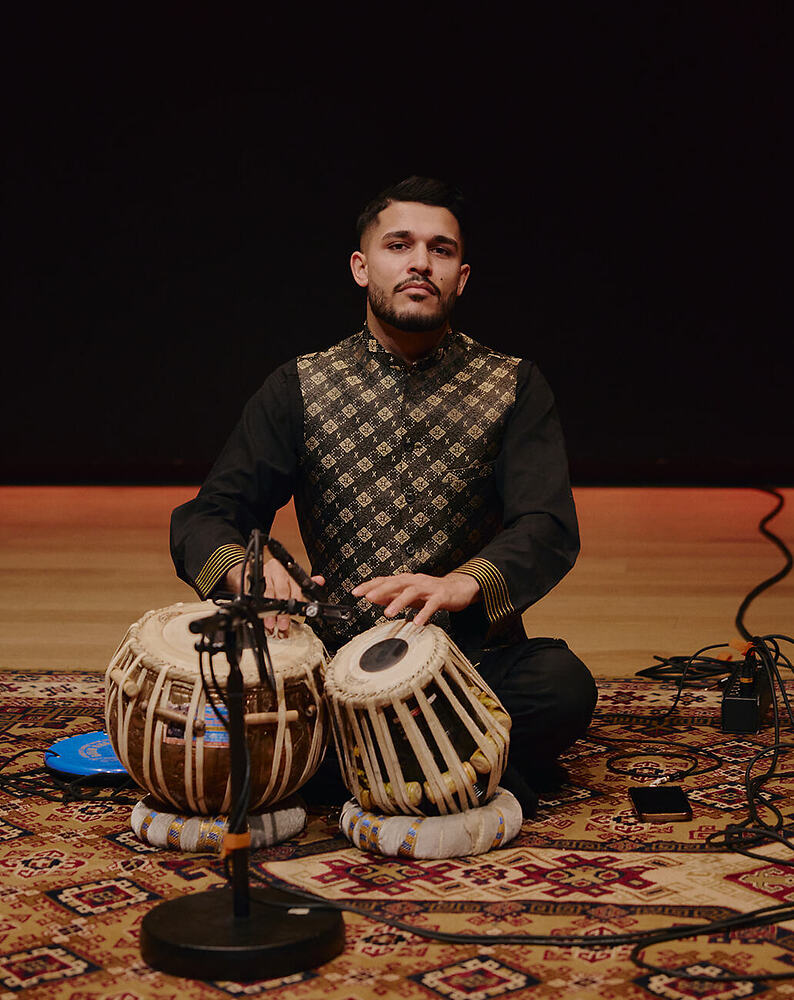
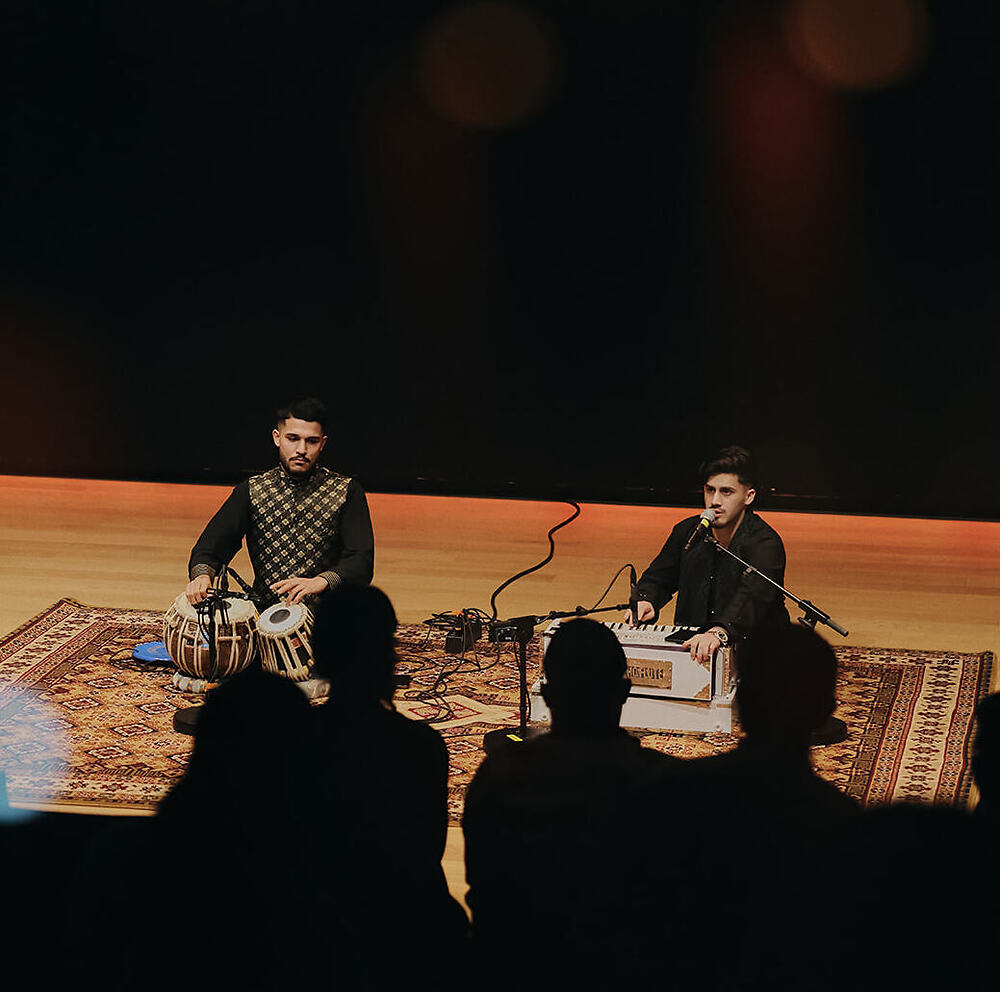
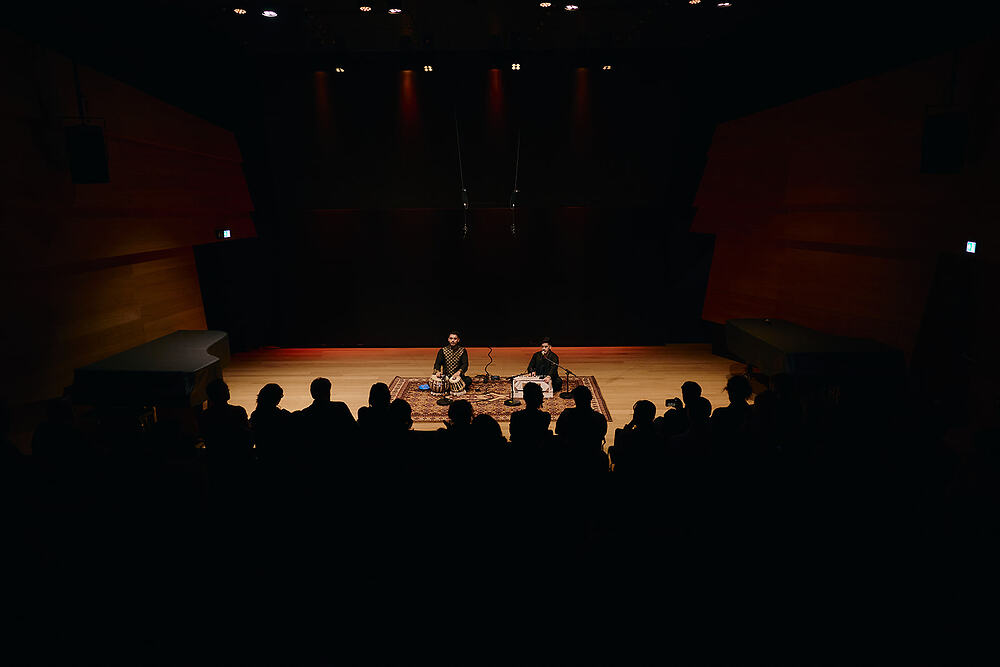
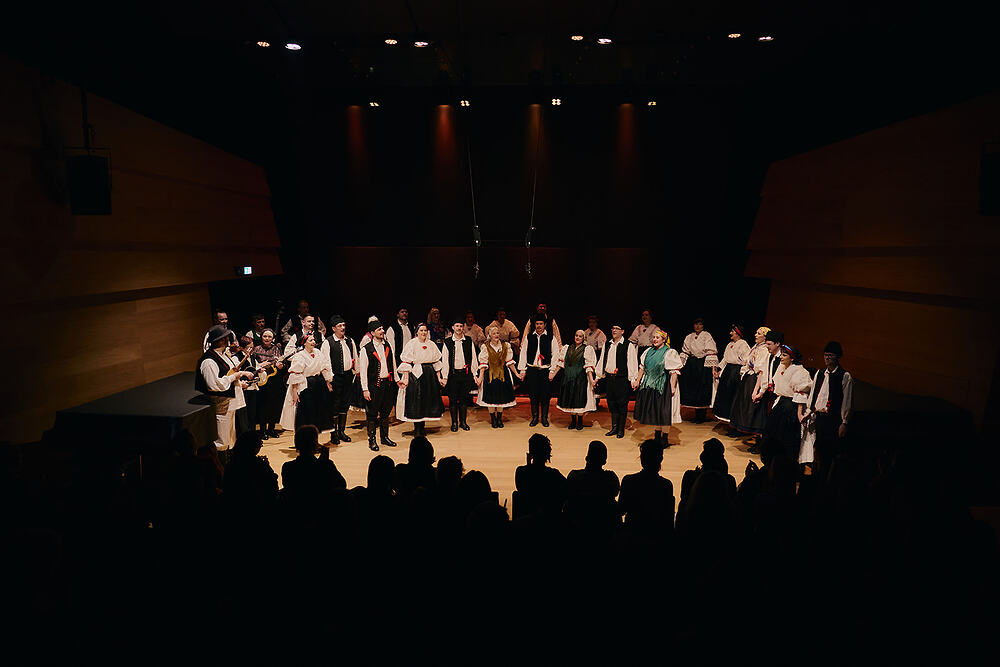
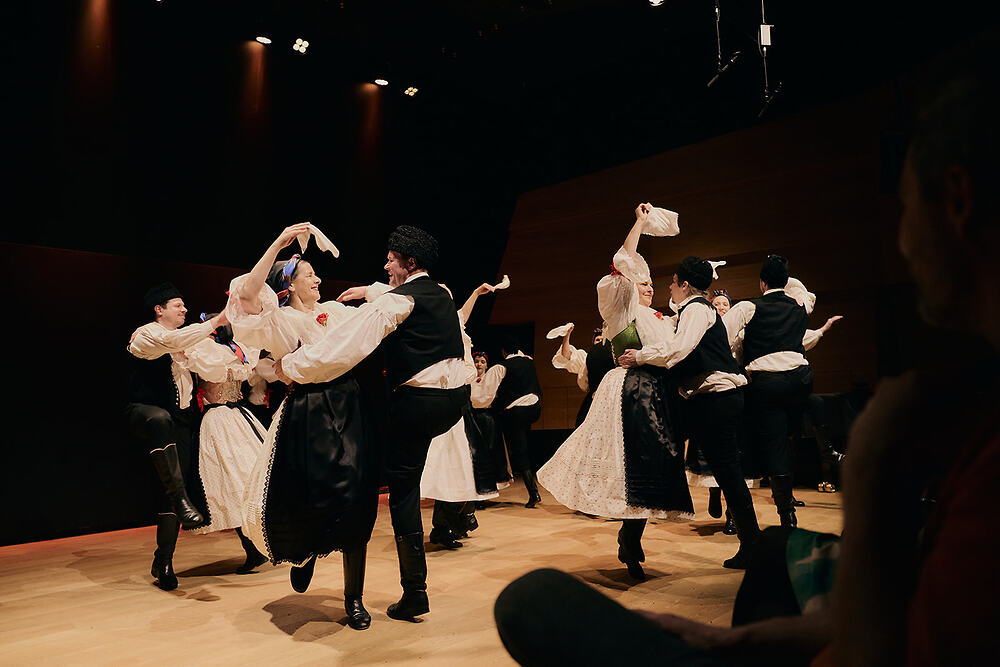
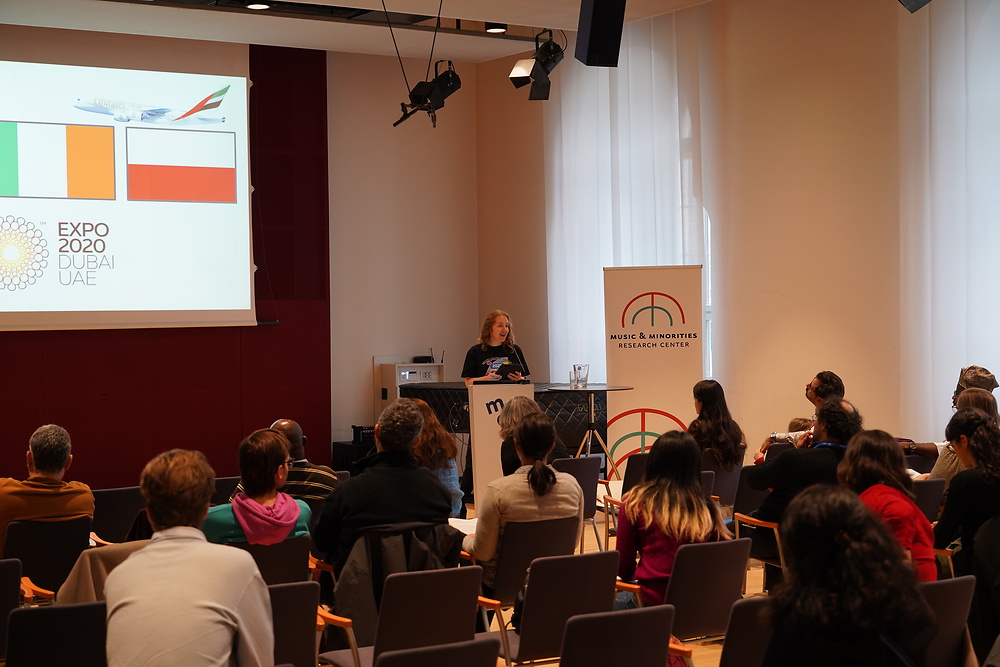
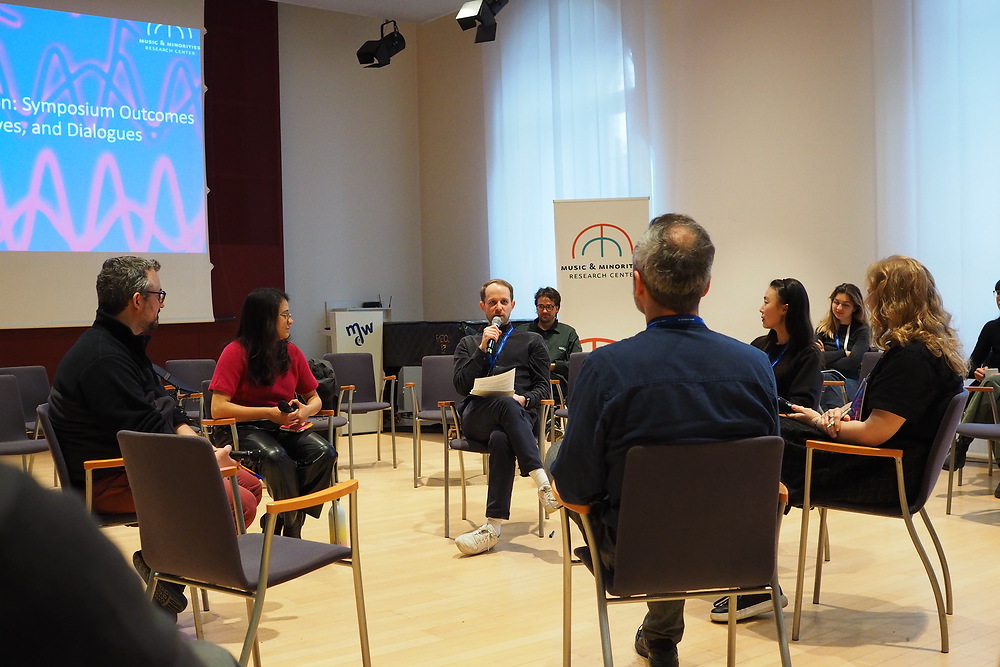
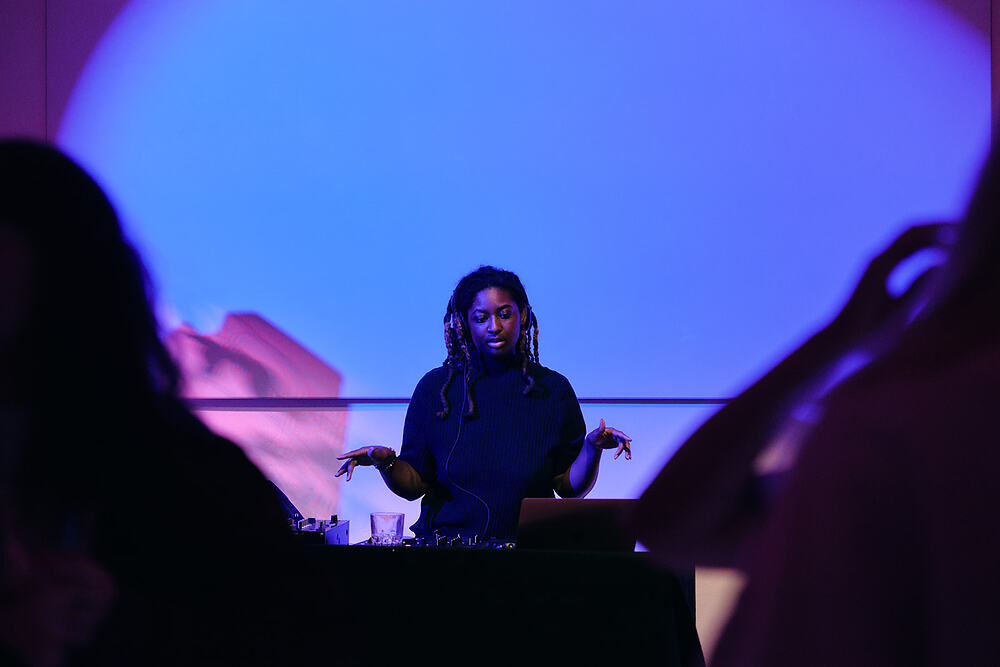
The programm featured a wide range of formants, three paper sessions resulting from an international call for papers, five roundtable discussions, one key roundtable, an interactive fishbowl session, two musical contributions, a large concert, and a closing party. This carefully curated symposium was made possible by the diverse expertise, experiences, and networks of the MMRC team and its collaborators, whose combined contributions made such a diverse and multifaceted symposium possible. As a result, the program fostered diversity and strengthened participatory and interactive elements between presenters, discussants, and audiences (programme overview). Participants included scholars, activists, and musicians from five continents, ranging from early-stage researchers to internationally renowned professors in the field. In total, the symposium welcomed well over 100 in-person participants, in addition to an international audience joining via livestream. The entire event is available to view online in the mdw media library and there is a radio podcast featuring the roundtable that was curated by Initiative Minderheiten on “Radio Stimme”.
The symposium generated a wide range of outcomes, insights, and reflections, opening up diverse positions and perspectives. A central insight was that much of the research in this field is already inherently activist in nature – and, indeed, has the potential and obligation to become even more so. This requires, in particular, strengthening collaborations with individuals and communities within the field of research, as well as continuously reflecting on and developing the researchers’ positionalities. Furthermore, the symposium emphasised the importance of networking and exchanging ideas beyond traditional academic channels, highlighting that non-academic participants are essential and valuable contributors to scholarly discourse, particularly in the field of Music and Minorities.
A further central insight concerned the choice of formats, highlighting that interactive and participatory formats are not merely methodological choices, but political ones. They raise fundamental questions about inclusion in knowledge production: who is involved and intended, and who is not? In this spirit, participants were explicitly invited to contribute their questions, comments, and perspectives throughout the symposium – an invitation that came to life most vividly in the fishbowl discussion.
In this way, the symposium functioned not only as the celebratory conclusion of a funding period but also as a point of departure for the continued thematic and structural development of the MMRC. It consolidated and expanded key discourses in the field of Music and Minority Studies, inviting new perspectives and ways of engaging with relevant questions. At the same time, existing networks were deepened and new collaborations initiated. All in all, the symposium successfully accomplished its objectives and serves as a lasting contribution to reinforcing the MMRC’s profile within the international research landscape.
Special Collection
The inspiring ideas generated by the symposium — with its rich array of presentations, roundtable discussions, and musical performances — have encouraged us to extend this dynamic beyond the event itself. This led to the idea of developing a special collection in the MMRC‘s journal Music & Minorities, entitled “Beyond Research and Activism: Reflections, Positions, and Considerations from the MMRC Symposium”. The contributions will be part of the “Forum” section of our journal, which provides a space for contributions that do not fit the conventional categories of peer-reviewed articles or reviews, yet offer lasting value to the field of study within the journal’s scope.
The symposium participants were invited to contribute their perspectives, impressions, and reflections and to this publication. The aim of the special collection is to continue the processes of thought and reflection initiated by the symposium and to share the perspectives in written form. In this way, the symposium extends beyond the actual duration of the event: it offers a space for further reflection on key issues and their implications.
Project lead: Ursula Hemetek, Malik Sharif
Project team: Peter Lell, Samo Zeichen, Claudia Strate (until March 2025)
Project duration: October 2024 – April 2026
Funding: Austrian Science Fund Grant-DOI 10.55776/Z352
Supported by the City of Vienna cultural department MA7